IMO Dangerousgoods restrictions
goods restrictions
The International Maritime Organization (IMO) regulates the transport of hazardous materials by sea to ensure safety and protect the marine environment. These materials, known as Dangerous Goods (DG), are subject to strict rules under the IMO’s International Maritime Dangerous Goods (IMDG) Code.
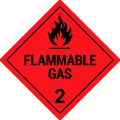
(ex. Propane, oxygen cylinders, carbon dioxide)
Class 2
Flammable, non-nlammable, non-toxic, toxic gases
Class 1
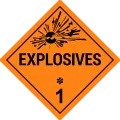
Explosive substances or articles
(ex. Fireworks, ammunition, dynamite)
双击此处添加文字
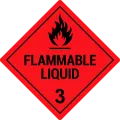
Class 3
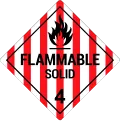
Class 4
Flammable liquids
(ex. Perfumery, Resins, Paints)
Flammable solids, spontaneously combustible, dangerous when wet
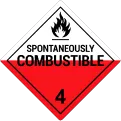
(ex. Matches, magnesium, sodium)
Class5
Organic peroxides
(ex. Hydrogen peroxide, ammoniumnitrate.)
Class 6
Toxic substances, Infectious substances
(ex. Pesticides, medical waste.)
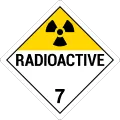
Class 7
Radioactive materials
(ex. Uranium, medical isotopes)
Class8
Corrosive substances
(ex. Sulfuric acid, hydrochloric acid, batteries)
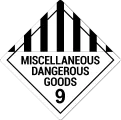
Class 9
Miscellaneous
(ex. Lithium battery, Air-bag, Vehicle)

                                Class                                

                              Acceptance                     

                               Remarks                         

Class 1: Explosives

ALL PROHIBITED
  • Fireworks (e.g., UN 0336, Class 1.4G) may be considered on a case-by-case basis, subject to prior approval by HSSEQ and Operations, and only if both terminal and vessel certifications are in place.

  • Acceptance remains at the sole discretion of SeaLead.

  • All other Class 1 cargo remains strictly prohibited.

Class 2.1: Flammable gases

Acceptance on a case-to-case basis


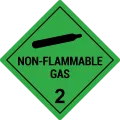
Class 2.2: Non flammable, Non toxic gases

Acceptance on a case-to-case basis


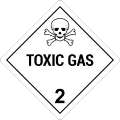
Class 2.3: Toxic gases

ALL PROHIBITED

Class 3: Flammable liquids

Acceptance on a case-to-case basis

All Class 3 cargoes which have flashpoint below – 18 C Degree are prohibited.

Class 4.1: Flammable solids

Acceptance on a case-to-case basis

Substances with a subsidiary risk “explosive (class 1)” are prohibited. Restricted • Un 2304 to be accepted only in Tank Containers.

Class 4.2: Spontaneously combustible

Acceptance on a case-to-case basis

Survey report is required for UN 1383, UN 2845, UN 2846, UN 3194, UN 3200 and not acceptable in tank containers.

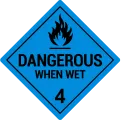
Class 4.3: Dangerous when wet

Acceptance on a case-to-case basis


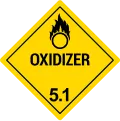
Class 5.1: Oxidizing agents

Acceptance on a case-to-case basis

  • Survey report is required for all Hydrogen Peroxide, UN 1486 Potassium Nitrate.

  • Packing Certificate required for UN 3378 Sodium Carbonate Peroxyhydrate shipments

  • Calcium Hypochlorite is prohibited

  • Packing Group, I (PG I) is prohibited.

Class 5.2: Organic peroxides

ALL PROHIBITED

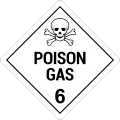
Class 6.1: Toxic substances

Acceptance on a case-to-case basis


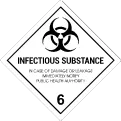
Class 6.2: Infectious substances

ALL PROHIBITED

Class 7: Radioactive materials

ALL PROHIBITED

Class 8: Corrosive substances

Acceptance on a case-to-case basis

  • Packaging Group I and II liquids in tanks, restricted to maximum 8 TEU per vessel.

  • Packing Certificate required for UN 2809 Mercury shipments.

Class 9: Miscellaneous

Acceptance on a case-to-case basis

UN 2211 Polymeric Beads, Expandable are accepted only in ventilated container, open-top container, or container in one door off operation. Not acceptable VSA Partners.

Prohibited & restricted dangerous goods list